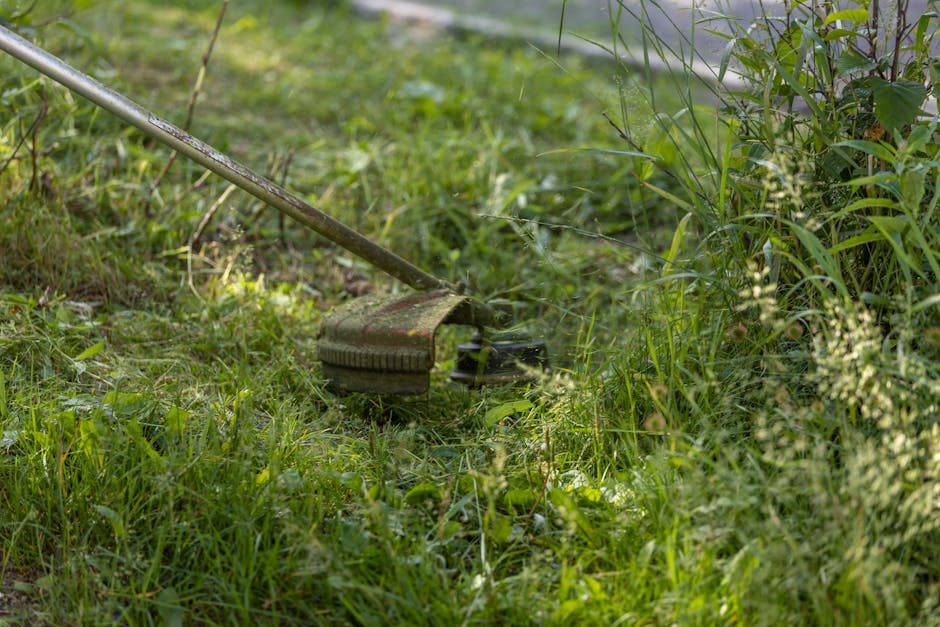
Common problems with garden maintenance in Crystal Palace SE19
If your garden in Crystal Palace SE19 has started to feel a bit unruly, you are not alone. Between awkward slopes, shaded corners, mature shrubs, and the usual London mix of dry spells and sudden rain, garden upkeep can become a proper juggling act. The most common problems with garden maintenance in Crystal Palace SE19 are rarely about laziness; more often, they are about timing, plant choice, access, and the sheer amount of ongoing work that a lived-in outdoor space needs.
This guide breaks down the real-world issues people run into, why they happen, how to deal with them, and when it makes sense to call in help. Whether you are trying to keep a small back garden tidy, manage a larger family plot, or sort out a space that has been left a little too long, this article should give you a clear way forward. And, to be fair, once you know what is causing the mess, it gets much easier to stay on top of it.
Expert summary: Garden maintenance problems in Crystal Palace SE19 usually come down to three things: growth that outpaces the schedule, local site conditions that make routine work harder, and maintenance tasks that are easy to delay but expensive to ignore.
Table of Contents
- Why Common problems with garden maintenance in Crystal Palace SE19 Matters
- How Common problems with garden maintenance in Crystal Palace SE19 Works
- Key Benefits and Practical Advantages
- Who This Is For and When It Makes Sense
- Step-by-Step Guidance
- Expert Tips for Better Results
- Common Mistakes to Avoid
- Tools, Resources and Recommendations
- Law, Compliance, Standards, or Best Practice
- Options, Methods, or Comparison Table
- Case Study or Real-World Example
- Practical Checklist
- Conclusion
- Frequently Asked Questions
Why Common problems with garden maintenance in Crystal Palace SE19 Matters
Garden maintenance is one of those jobs that looks simple from the kitchen window and then quietly expands into half a weekend. In Crystal Palace SE19, that happens even faster because many gardens have a mix of mature planting, compact layouts, and uneven light levels. A shaded border near a fence behaves very differently from a sunny front garden strip, and the same routine does not suit both.
The reason this matters is straightforward: neglected maintenance tends to build in layers. A few weeds become a bed full of roots. A hedge left too long starts to lose shape. Grass that is cut too short in dry weather turns patchy, then thin, then weedy. It is a chain reaction, really. Once one part slips, the rest usually follows.
There is also the practical side. Overgrown paths, blocked drains, messy boundaries, and heavy leaf fall can make a garden feel harder to use and harder to enjoy. If you have children, pets, or simply want somewhere pleasant to sit with a cup of tea, these problems become more than cosmetic. They affect how the space works day to day.
For homeowners, landlords, and property managers alike, regular upkeep is often the difference between a garden that stays manageable and one that suddenly needs a much bigger intervention. Services such as garden maintenance and, where needed, garden clearance can prevent a small issue from snowballing into a bigger, more expensive one.
How Common problems with garden maintenance in Crystal Palace SE19 Works
At the simplest level, good garden maintenance is about repetition, observation, and timing. You notice what is changing, you deal with it before it becomes stubborn, and you keep the work proportionate to the season. Sounds obvious. In practice, most problems appear because one of those three bits slips.
In Crystal Palace SE19, maintenance work often falls into a few recurring categories:
- Lawn care: mowing, edging, feeding, aerating, and repairing thin or mossy patches.
- Hedge and shrub control: trimming growth before it blocks light, paths, or boundaries.
- Weed management: removing unwanted growth from beds, borders, paving, and gravel.
- Leaf and debris clearance: clearing fallen matter before it smothers grass or clogs drains.
- Plant health checks: spotting disease, dieback, pests, or water stress early.
The hard bit is that each task affects the others. For example, if a hedge is left to sprawl, it shades the lawn. If the lawn weakens, weeds take over. If weeds take over, the whole space looks neglected, even if the rest of the garden is fine. That is why many gardens need a joined-up approach rather than isolated jobs done whenever someone remembers.
Seasonality matters too. In spring, growth can be quick and relentless. By late summer, dry soil and heat can create stress. In autumn, leaf fall and damp conditions mean slipping hazards, rot, and blocked surfaces become more likely. Winter is quieter on the surface, but structural issues, poor drainage, and storm damage can still show up. Truth be told, every season has its own nuisance.
If you want a broader view of what a joined-up service looks like, the services overview page is a useful starting point, especially when you are deciding which tasks need attention first.
Key Benefits and Practical Advantages
When garden maintenance is handled properly, the benefits are not just visual. Yes, the place looks tidier. But there is more going on than that.
- Less catch-up work: small jobs stay small, which saves time later.
- Healthier planting: regular care helps shrubs, lawns, and beds recover faster from seasonal stress.
- Better use of space: paths, patios, and sitting areas stay usable instead of getting swallowed by growth.
- Lower risk of damage: overgrowth can strain fences, obscure steps, and trap moisture around timber or paving.
- Improved kerb appeal: useful if you are selling, letting, or simply keeping pride in the property.
- More predictable costs: routine maintenance usually costs less than a one-off rescue job.
There is also a quieter benefit: the garden becomes easier to like again. That sounds a bit sentimental, maybe, but it matters. People are far more likely to use a garden they can see, walk through, and maintain without dreading the next job.
For some households, the biggest advantage is mental rather than physical. A tidy garden can take the pressure off the weekend. No need to spend Saturday morning staring at a border thinking, well, that got out of hand.
Who This Is For and When It Makes Sense
This topic is relevant for a wide range of people in Crystal Palace SE19, because the maintenance challenges are not limited to one kind of property.
- Busy homeowners: if your garden work keeps getting pushed back, you will probably benefit from a regular plan.
- Landlords and letting agents: presentation, safety, and consistency matter, especially between tenancies.
- Older residents: tasks like hedge cutting, heavy pruning, and waste handling can become difficult or unsafe to do alone.
- Families: gardens with play space need to stay clear, tidy, and low-risk.
- People recovering a neglected garden: sometimes you need a reset first, then maintenance after that.
- Property managers: communal or visible spaces need reliable scheduling rather than ad hoc fixes.
It also makes sense for anyone whose garden has a few persistent headaches: shade-loving moss, fast-growing hedges, poor drainage, or a lawn that never quite behaves. If you keep dealing with the same issue every few weeks, that is usually a sign the maintenance approach needs adjusting, not that the garden is impossible.
A quick example: a back garden in SE19 with mature trees may need more frequent leaf removal, gentler mowing, and better border management than a newer, open plot. Same postcode, very different routine.
Step-by-Step Guidance
If you are trying to get on top of common garden maintenance problems, it helps to break the work into stages instead of trying to do everything in one heroic burst on a Sunday afternoon.
- Walk the garden properly. Look for overgrowth, blocked access, weeds, dead patches, broken edges, and any signs of damage. Do this slowly. You spot more than you expect when you are not rushing.
- Identify the urgent issues first. Safety matters before appearance. Trip hazards, unstable branches, slippery surfaces, and obstructed paths should come before cosmetic trimming.
- Separate routine from seasonal work. Mowing, weeding, and edging are recurring. Leaf clearance, pruning, and border renewal may be seasonal or occasional.
- Start with clearance. Remove debris, cut back excess growth, and create room to work. It is much easier to see what needs doing once the mess is reduced.
- Deal with the lawn next. If grass is part of the problem, begin with sensible mowing height, edging, and removing clumps or thatch. If the ground is very dry, do not scalp it.
- Tidy shrubs and hedges with restraint. A little and often is usually better than hard cutting, unless a hedge has become seriously out of shape.
- Refresh beds and borders. Weed, mulch if appropriate, and replace tired plants where necessary. A border can look dramatically better with very little intervention.
- Set a realistic repeat schedule. Weekly, fortnightly, or monthly depends on the garden. There is no universal answer, despite what some people imply with terrifying confidence.
If the garden is already badly overgrown, beginning with a proper reset can be more efficient than trying to maintain chaos. In those cases, a structured garden clearance followed by ongoing care is often the sanest route.
Expert Tips for Better Results
Here is where the small differences really show.
- Trim for the plant, not just for the neat look. Different shrubs and hedges respond differently to cutting. If you cut in the wrong place at the wrong time, you can encourage weak growth or spoil the shape.
- Leave the lawn a little longer in dry spells. It helps reduce stress and scorching.
- Do not let weeds seed. One weed is annoying. A hundred seeds are next month's headache.
- Keep tools sharp and clean. Dull blades tear growth rather than cutting it cleanly, which leaves ragged edges and can invite disease.
- Work with the garden's light and shade. A shady area will need different plants and different expectations. Not every spot should be treated the same way.
- Use a seasonal routine, not just a reactionary one. That means planning before growth peaks, not after the place has gone wild.
One small but useful habit: keep an eye on what changes after heavy rain. Crystal Palace gardens can hold onto moisture in some spots and dry out quickly in others. Once you notice the pattern, maintenance gets much easier. A bit annoying to learn, yes, but useful.
If hedge growth is one of your main headaches, targeted hedge trimming can stop light loss, boundary creep, and that awkward overhanging look that makes a whole garden seem older than it is.
Common Mistakes to Avoid
Most garden maintenance problems become worse because of a few predictable mistakes. They are common for a reason.
- Cutting too much at once: heavy pruning or severe hedge reduction can shock plants and leave ugly gaps.
- Mowing too short: this is one of the fastest ways to stress a lawn, especially in warmer weather.
- Leaving cuttings in place: grass clippings, leaf piles, and prunings can smother healthy growth and attract pests.
- Ignoring edging and boundaries: a neat lawn with wild edges still looks unfinished.
- Trying to maintain a garden without a plan: random jobs create uneven results and more frustration.
- Using the wrong fix for the real problem: if the issue is poor drainage, more mowing will not solve it. Annoying, but true.
A lot of people also underestimate access. Narrow side passages, shared entrances, stepped gardens, and awkward storage can slow everything down. If equipment is difficult to move in and out, maintenance becomes more sporadic. That is not a character flaw. It is just logistics.
And one slightly funny truth: the garden somehow always looks better the day after you say, "I'll get to it next week."
Tools, Resources and Recommendations
You do not need a shed full of expensive equipment to keep a garden under control, but the right tools make a huge difference.
| Task | Useful tools | What to watch for |
|---|---|---|
| Lawn care | Mower, edging tool, rake | Cutting too low, wet grass, blunt blades |
| Weeding | Hand weeder, hoe, gloves | Leaving roots behind, disturbing nearby plants |
| Hedge trimming | Shears, hedge trimmer, eye protection | Overcutting, nesting birds, uneven lines |
| Leaf clearance | Rake, broom, collector bag | Blocking drains, damp build-up, slippery paths |
| General tidy-up | Sacks, tarp, pruning tools | Mixing waste types, lifting too much at once |
For many households, the real recommendation is not a tool but a system. Keep one place for gloves, one for waste bags, one for cuttings, and one for jobs that need a specialist eye. That kind of organisation sounds boring until you need it. Then it feels brilliant.
If you want help choosing the right level of support, it can also be useful to review pricing and quotes alongside the service pages, so you can judge what is practical for your garden rather than guessing.
Law, Compliance, Standards, or Best Practice
For garden maintenance, the main compliance concerns are usually safety, waste handling, and the care of living trees and hedges. Exact legal duties depend on the property, the work being done, and who carries it out, so it is always wise to treat this as general guidance rather than a substitute for formal advice.
In everyday terms, good practice usually means:
- working safely with sharp or powered tools;
- wearing suitable protective equipment when needed;
- checking for hazards before starting work;
- disposing of green waste responsibly;
- being cautious around tree work, especially where branches are heavy or high;
- avoiding unnecessary damage to plants, walls, fences, and paving;
- respecting neighbours where noise, access, and boundary lines are involved.
If you are hiring help, it is sensible to ask whether the business has clear safety procedures, insurance arrangements, and a tidy method for handling waste. The specific details matter less than the principle: you want the work carried out carefully, not just quickly.
For peace of mind, pages such as health and safety policy and insurance and safety can help set expectations about how a professional service approaches risk and responsibility. If sustainability matters to you, recycling and sustainability is also worth reviewing.
Options, Methods, or Comparison Table
There is no single right way to deal with garden maintenance problems in Crystal Palace SE19. The best option depends on the size of the garden, how overgrown it is, and how much time you have. Here is a simple comparison.
| Approach | Best for | Pros | Limitations |
|---|---|---|---|
| DIY weekly upkeep | Small to medium gardens with manageable growth | Low cost, full control, quick touch-ups | Needs consistency and time |
| DIY seasonal reset | Garden owners who can do occasional bigger jobs | Useful for clearing neglected spaces | Can become physically demanding and time-consuming |
| Scheduled professional maintenance | Busy households, landlords, larger or complex gardens | Reliable, planned, usually more efficient | Ongoing cost |
| One-off clearance plus maintenance | Heavily overgrown or inherited gardens | Good for getting back to square one | Needs a follow-up plan or the problem returns |
If the garden has structural features like raised timber, steps, decking, or awkward access, the right approach may combine maintenance with repairs or minor redesign. In those cases, broader landscaping support or even decking services may be more useful than simple tidy-up work alone.
Case Study or Real-World Example
Picture a typical Crystal Palace SE19 garden: a fairly small rear space, a mature hedge along one side, a lawn that gets decent sun in the morning but shade by mid-afternoon, and a border that has slowly filled with brambles, ivy, and self-seeded growth. Nothing dramatic. Just the sort of garden that quietly becomes difficult to manage.
At first, the owner notices the hedge looks a bit ragged. Then the grass starts to thin near the shaded edge. Then a few weeds appear in the paving, and because it has been wet, the leaves stay stuck down near the back gate. Before long, the whole area feels more like a task list than a place to relax.
The useful shift comes when the work is broken into two parts:
- clear and reset the main problem areas;
- introduce a repeating maintenance routine that matches the garden's actual conditions.
In this kind of garden, the best result is rarely "perfect." It is usually "easy to keep under control." That is a much better goal, honestly. Once the hedge is trimmed, the lawn is raised slightly in cutting height, the border is simplified, and regular leaf clearance is built in, the space starts feeling calm again. You notice the bird noise, the smell of cut grass, the light on the paving. Small things, but they add up.
For gardens that have already tipped past the point of simple tidying, a structured reset using lawn mowing, selective pruning, and follow-up maintenance often gives the best long-term outcome.
Practical Checklist
Use this checklist if you want to get ahead of common garden maintenance problems before they get out of hand.
- Walk the garden and note problem areas.
- Check for overgrown hedges, shrubs, and climbers.
- Look for thin, patchy, mossy, or overcut lawn sections.
- Clear leaves, dead material, and debris from paths and borders.
- Remove weeds before they seed.
- Inspect for blocked access, slippery areas, or trip hazards.
- Decide what needs immediate attention and what can wait.
- Set a weekly or fortnightly routine that you can actually keep.
- Book a clearance visit if the garden needs a reset.
- Review whether the current layout is making maintenance harder than it should be.
If you have been putting things off for a while, do not worry. Start with one section, not the whole garden. A corner cleared properly is better than a whole space half-done.
Conclusion
The common problems with garden maintenance in Crystal Palace SE19 are usually not mysterious. They are the familiar mix of quick growth, awkward layouts, changing weather, and jobs that get left too long. Once you spot the pattern, the solution becomes much more manageable: clear what is urgent, set a sensible routine, and use the right kind of support where needed.
Whether your main issue is lawn care, hedge control, weeds, leaf build-up, or an overgrown space that needs a fresh start, the key is to make the garden easier to maintain next month, not just nicer today. That is the real win.
If you are ready to take the next step, explore the available services, compare what your garden actually needs, and choose a plan that fits your time and budget.
Get a free quote today and see how much you can save.
Frequently Asked Questions
What are the most common problems with garden maintenance in Crystal Palace SE19?
The most common issues are overgrown hedges, patchy lawns, weed build-up, leaf clearance, and gardens becoming harder to access or keep tidy. Shaded areas and seasonal weather changes make these problems more noticeable.
How often should a garden in Crystal Palace SE19 be maintained?
That depends on the size of the garden, how much grows there, and how much use the space gets. Many gardens benefit from weekly or fortnightly attention in spring and summer, then lighter seasonal work later in the year.
Why do gardens in Crystal Palace SE19 become overgrown so quickly?
London gardens often combine mature planting, limited space, and mixed light conditions. Once growth gets ahead of the schedule, it can escalate fast, especially after rain and during peak growing periods.
Is lawn mowing enough to keep a garden tidy?
Usually not. A neat lawn helps, but it does not solve weeds, hedge growth, border clutter, or leaf build-up. A good routine normally includes several smaller maintenance tasks.
When should I book garden clearance instead of regular maintenance?
If the space is heavily overgrown, difficult to access, or full of debris, a clearance visit is often the better first step. After that, regular maintenance keeps the garden from slipping back.
Can I handle garden maintenance myself?
Yes, if the space is manageable and you have the time, tools, and energy. But if the garden is large, steep, awkward, or seriously overgrown, professional help is often safer and more efficient.
What is the biggest mistake people make with hedge trimming?
The biggest mistake is cutting too much at once or trimming at the wrong time for the plant. That can leave the hedge looking thin, uneven, or stressed. Gentle, regular cutting is usually better.
How do I know if my lawn needs more than mowing?
If it is patchy, mossy, compacted, or constantly looking tired even after a cut, it probably needs more than mowing. Aeration, feeding, weed control, or changes in cutting height may be needed.
Are there safety issues with DIY garden maintenance?
Yes. Common risks include slips, trips, sharp tools, lifting injuries, and working at height with ladders or long-handled equipment. Take care, use the right gear, and do not push too far on a bad day.
What should I look for in a professional garden maintenance service?
Look for clear communication, sensible scheduling, safe working practices, proper insurance arrangements, and a maintenance plan that matches your garden rather than a one-size-fits-all approach.
Can poor garden maintenance affect property value or rental appeal?
It can affect first impressions, usability, and perceived upkeep. A well-kept garden signals that the property is cared for, while a neglected one can make the whole place feel harder work than it is.
What is the easiest way to stay on top of garden maintenance through the year?
Keep a simple seasonal plan: mow and weed regularly in the growing season, clear leaves in autumn, check for damage in winter, and do a reset in spring. Small, steady work usually beats big catch-up jobs.
For a garden to feel genuinely manageable, it needs a rhythm, not just a rescue mission. And once that rhythm is in place, even a tricky SE19 garden can become a place you enjoy again-properly enjoy, not just glance at through the window.