Recycling and Sustainability at Gardening Crystal Palace
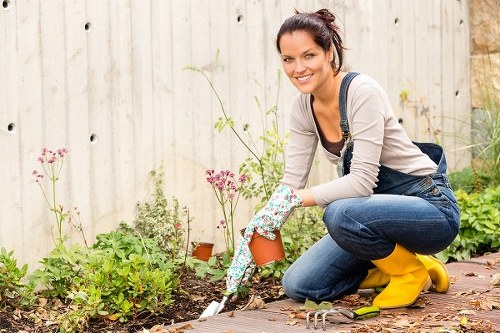 At Gardening Crystal Palace we believe an eco-friendly waste disposal area and a sustainable rubbish gardening area are central to thriving community green spaces. Our approach combines practical recycling activity with community partnerships, low-carbon transport, and clear percentage targets so residents and volunteers can see progress. We work to make the recycling and sustainability message visible in beds, borders and communal compost bays alike. We separate, reuse and return nutrients to the soil.
We set a clear recycling percentage target: to divert 70% of garden and site waste from landfill by 2028 through on-site composting, careful separation and reuse. This target covers green waste (prunings, grass cuttings, leaves), clean woody material for chipping, pots and plastic-free packaging, and the recovery of soil and turf where possible. The target is ambitious but measurable: each season we audit volumes and report the percentage of material recycled or repurposed.
 Many of our initiatives align with the boroughs' approach to waste separation, which typically asks residents to separate food waste, glass, paper and card, plastic and garden waste. We mirror those systems on a site scale to reduce contamination and maximise local recycling. By providing clearly labelled bins, colour-coded sacks and regular volunteer training we ensure materials are routed correctly to household-style recycling streams or specialist reuse partners.
Local transfer stations and responsible routing
We use nearby local transfer stations and civic amenity sites to responsibly process materials that can’t be handled on-site. Where garden waste is too large or contaminated for our composting bays, it is taken to licensed transfer stations or household waste recycling centres for biomass processing or soil recovery. Highlighting these facilities helps volunteers understand the full logistics chain from compost heap to transfer station to returned mulch or finished compost.
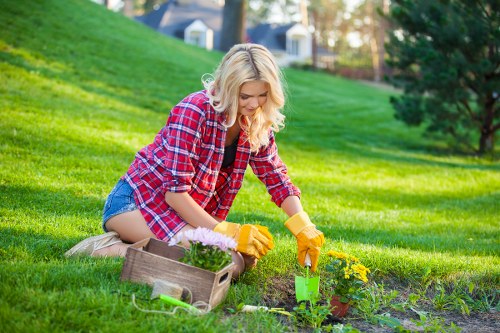 Our sustainable rubbish gardening area also includes a dedicated reuse corner where salvaged bricks, pots, and usable timber are cleaned and stored for future projects. We partner with local wood recyclers and composting sites to ensure that broken fencing, root plates and diseased plants are processed in the lowest-impact way. This circular approach reduces the volume of waste leaving the site and increases the proportion of material re-entering the local green economy.
Key on-site actions include:
- On-site composting for green waste and kitchen scraps from community events.
- Chipping and mulching of woody prunings to create weed-suppressing paths and beds.
- Tool and pot reuse collections for community swaps and charitable distribution.
Partnerships, charity reuse and low-carbon logistics
We have developed partnerships with charities and reuse organisations to maximise the lifespan of garden items. Local volunteer groups and charity shops accept plant donations, gently used tools and hard landscaping materials. These collaborations reduce waste and support community groups—everything from school gardens to local allotments benefits when surplus materials are reused rather than discarded.
 Transport is a critical part of our low-impact strategy. Gardening Crystal Palace uses a fleet of low-carbon vans—predominantly electric and hybrid models—and where practicable we deploy cargo bikes for small deliveries and collections. These low-emission vehicles reduce the carbon footprint of our waste routing, especially for short urban trips to transfer stations or charity drop-offs. We monitor vehicle mileage and emissions and prioritise consolidation of runs to keep our transport emissions down.
 Communication and behaviour change are also central: signage, short training sessions and seasonal campaigns explain how the boroughs' waste separation policies translate to our green spaces. Volunteers and visitors are encouraged to adopt a simple mantra: reduce, reuse, recycle—applied specifically to gardening materials. We celebrate progress when our audits show higher recycling rates and lower contamination in recyclable streams.
Our sustainable rubbish gardening area is designed to be practical and replicable. We map collection points, clearly label containers for organic, wood, hard and reusable items, and maintain a small storeroom for repair and redistribution. When items are beyond repair we ensure they are routed through certified recyclers at local transfer stations rather than being sent to landfill.
To keep momentum we publish seasonal updates showing how the recycling percentage target is being met, and highlight case studies where refurbished tools or donated plants were given a second life through our charity partners. We work within local waste frameworks, but also push for innovation—piloting new collection methods, trialling anaerobic digestion for excess food waste from events, and expanding on-site composting capacity to further increase our recycling percentage.
By combining an eco-friendly waste disposal area, strong charity partnerships, and a low-carbon van fleet, Gardening Crystal Palace aims to be a local exemplar of recycling and sustainability. We invite neighbours and community groups to visit our sustainable gardening zone, learn about borough recycling systems, and join the effort to keep green waste green—turning cuttings and compost into resilient, beautiful urban nature.